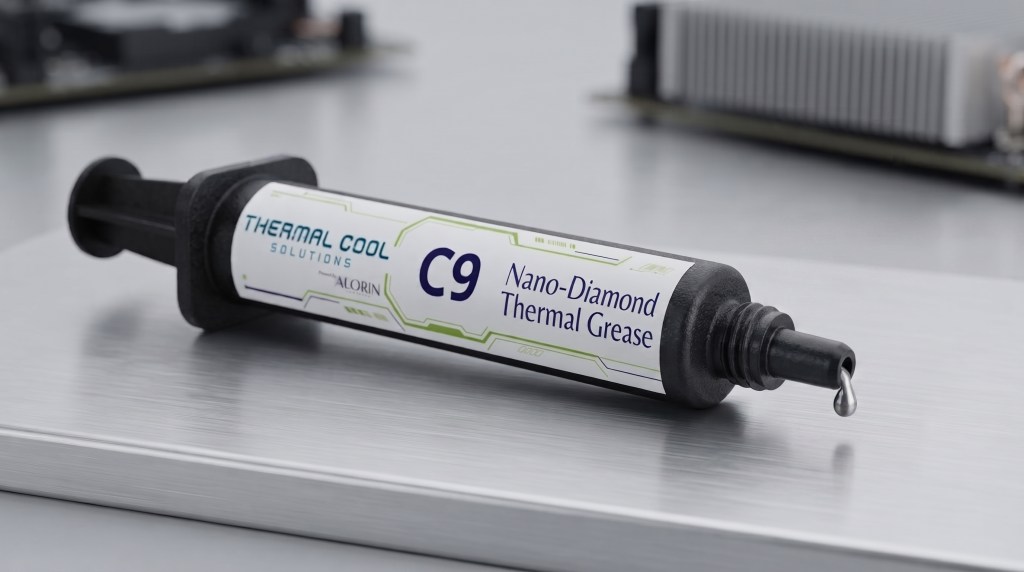
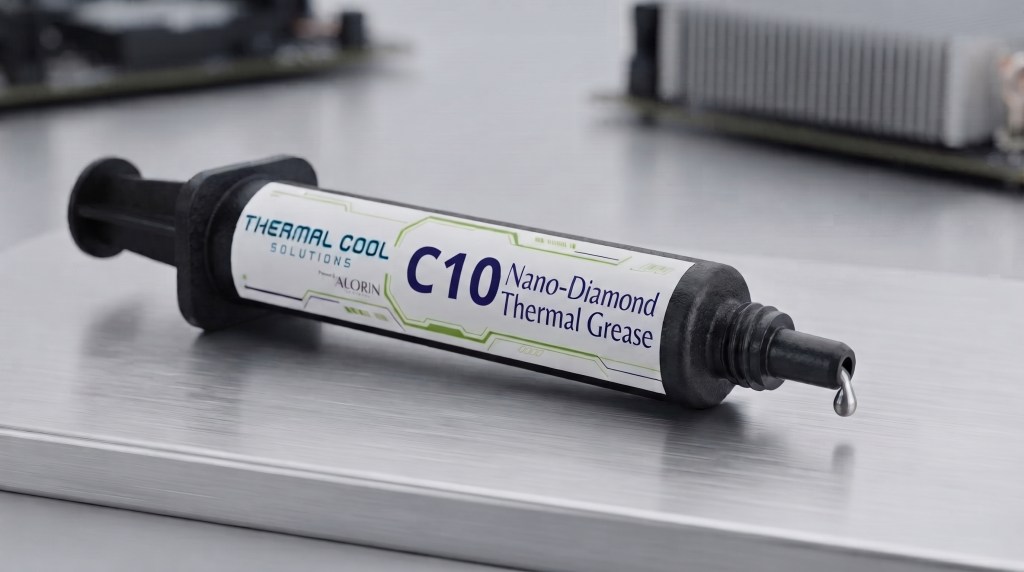
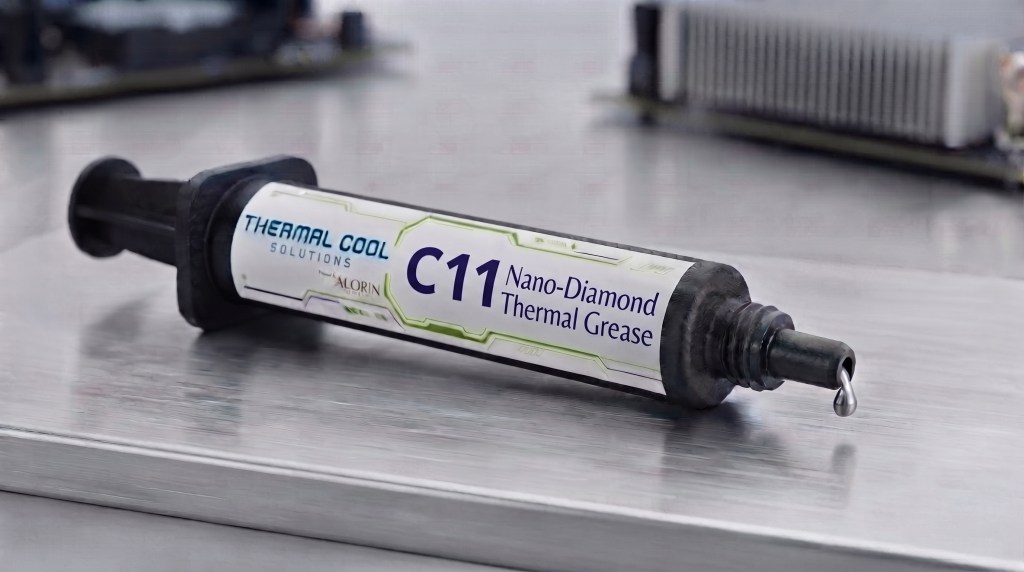
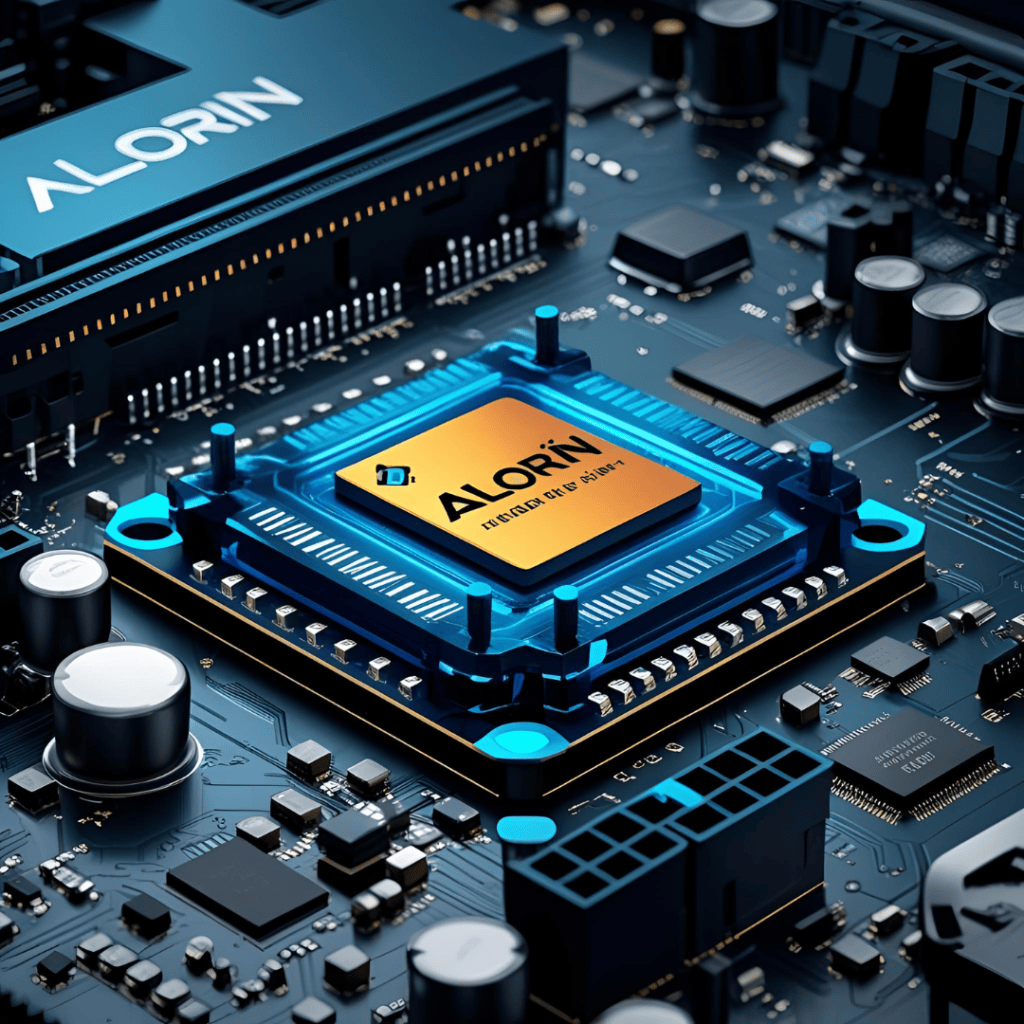
Diamond-based thermal solutions represent the future of high-performance computing infrastructure. Our proprietary technology harnesses the extraordinary properties of diamond to solve the most demanding thermal challenges in modern data centers.
These solutions enable unprecedented computational density while maintaining optimal operating temperatures, resulting in significant improvements in both performance and energy efficiency.
Thermal Cool Solution
THE THERMAL GREASE IS AN EXCLUSIVE INNOVATION AND A REVOLUTIONARY SOLUTION FOR EFFICIENT HEAT DISSIPATION.
Why Diamonds?
Unmatched Temperature Tolerance Withstands extreme temperatures up to 4000°C for uncompromised reliability in critical semiconductor operations
Superior Thermal Conductivity Approximately 2200 W/mK, ensuring optimal heat dissipation in high-density computing environments
Exceptional Durability The hardest known material (Young’s modulus ~90 GPa) with high radiation and corrosion resistance
Alorin Know-How
Semiconductor Integration
Specialized expertise in integrating diamond-based thermal solutions with advanced semiconductor packages
Data Center Optimization
Deep understanding of data center thermal environments and cooling system architecture
Materials Science
Cutting-edge research in thermal interface materials and surface engineering
Two Core Pillars
Failure Analysis & Needs Assessment Identifying thermal bottlenecks and unexpected failures before they escalate using advanced predictive analytics.
Tailored Process Optimization Comprehensive pre-processing methodology and strategic application of nano-diamond thermal pastes optimized for specific hardware configurations
Target Clients
Data Center Thermal Teams Direct support for enterprise cooling infrastructure management
Server Assembly Subcontractors Integration of thermal solutions during manufacturing process
Server/Chip Designers & Manufacturers Collaborative development of next-gen thermal architectures
Our thermal conductivity Test method
Although our thermal paste is rated at 16 W/m·K based on Laser Flash Analysis (LFA), we understand that thermal resistance (θ, °C·cm²/W) in real applications is the more practical and decisive factor.
To evaluate this, we also conduct interface resistance tests (TIM resistance tests) using standardized setups (such as ASTM D5470-equivalent methods), simulating CPU/GPU and heatsink contact pressure and surface conditions
This gives us a comprehensive view of real-world thermal impedance, which may vary depending on application thickness, pressure, and spreading
Thermal Interface Material Performance Matrix
Comprehensive analysis of market-leading thermal compounds by critical metrics
Thermal Management Technologies Compared
TIM vs. PCM Technical Comparison
Thermal Interface Materials (TIM)
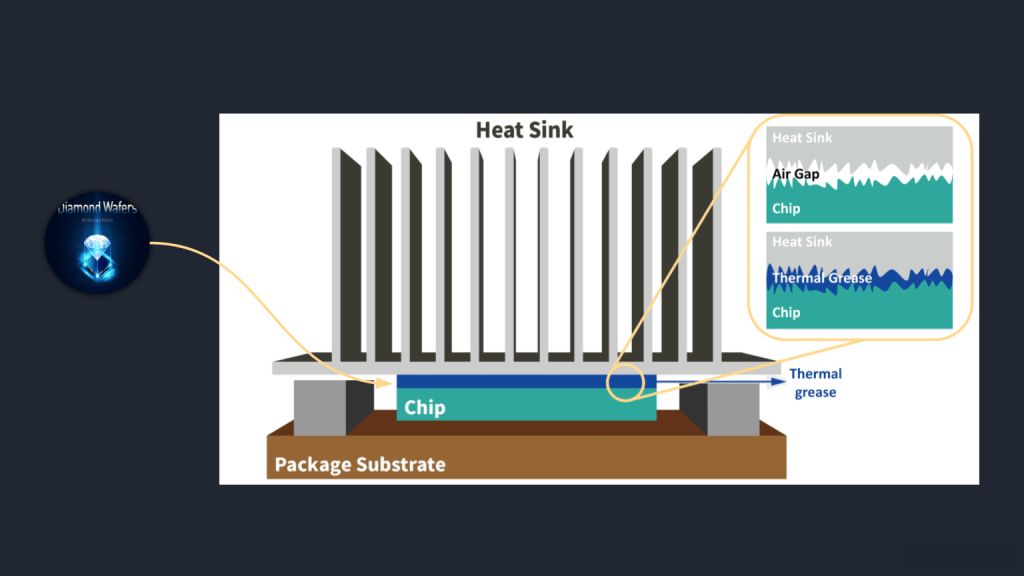
Engineered to fill microscopic surface imperfections and create optimal thermal pathways
Includes thermal greases, pads, tapes, and liquid metals
Designed for direct heat transfer between components
Implementation focused on semiconductor packaging and PCBA
Phase Change Materials (PCM)
Material science approach that leverages latent heat absorption during phase transitions
Wax-like substances that transition between solid and semi-solid states
Provides thermal regulation through energy absorption/release
Used in applications requiring precise temperature control
Cooling Methodology Assessment
Air Cooling Solutions
Cost Efficient
Lower implementation and maintenance costs compared to alternative solutions
Infrastructure
Simplified deployment without requiring specialized plumbing or cooling circuits
Reliability
Eliminates liquid leakage risks that could damage sensitive electronic components
Liquid Cooling Solutions
Thermal
Higher thermal transfer potential for extreme heat generation scenarios
Infrastructure
Complex implementation requiring specialized chillers and plumbing systems
Risk Profile
Potential for catastrophic system failures due to coolant leakage events